 Cavagnolo
  Pigini
  Saltarelle
  Musictech
 Beltuna
  Ballone Burini
  Roland
  Castagnari
  Maugein
  Scandalli
  Hohner
  Borsini
  Audio-Technica
  Mengascini
 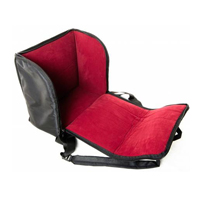 Accordion Gig-Bags
 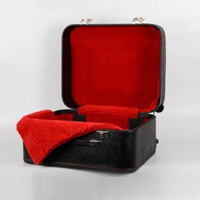 Accordion Hard Cases
 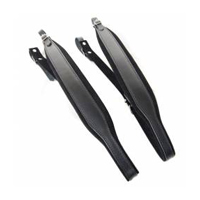 Accordion Straps
 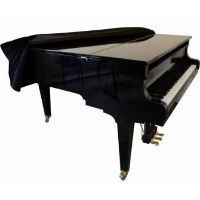 Piano Covers
 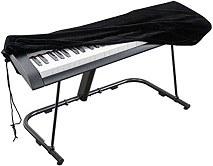 Keyboard Covers
  Sheet Music Stands, Metronomes...
 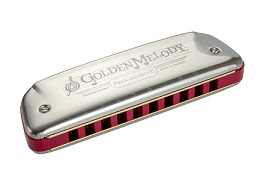 Harmonicas
 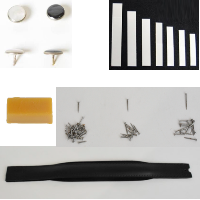 Repair parts
 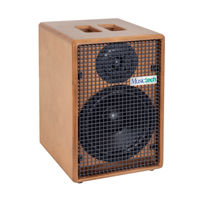 Sound Equipment - UHF Wireless Systems - Amplifiers
 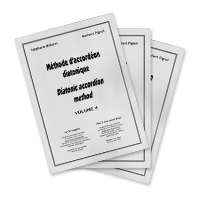 Sheet Music & Methods
 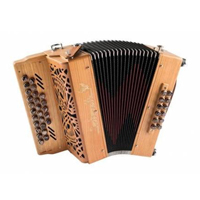 Stepped Keyboards
 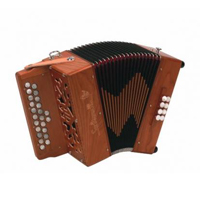 Flat Keyboards
 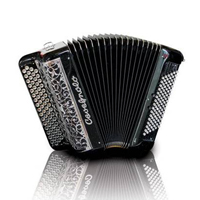 Button Keyboards
 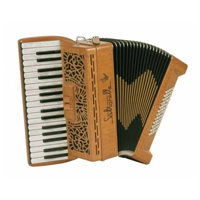 Piano Keyboards
 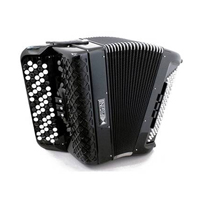 Converter Button
 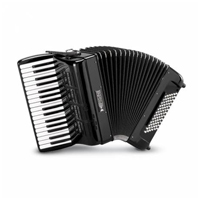 Converter Piano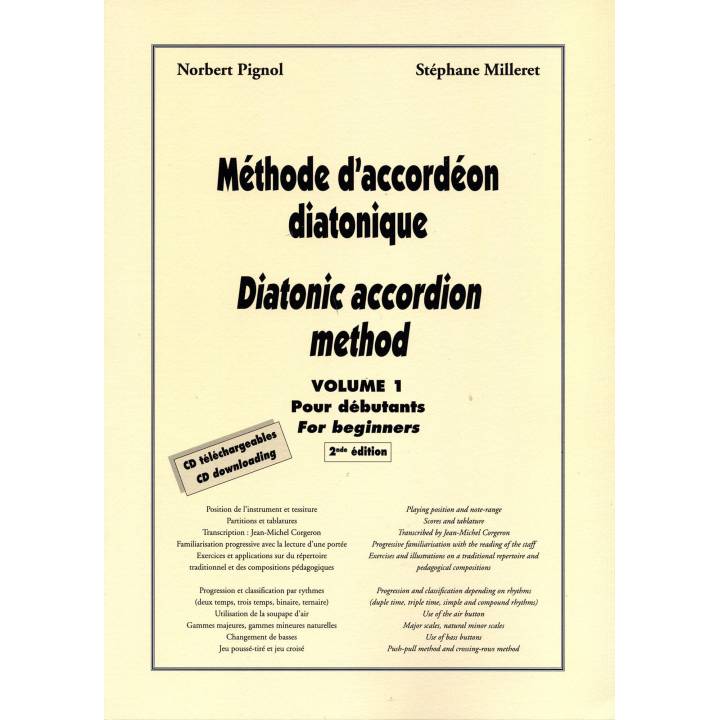
Rated out of 5 stars based on
review(s)
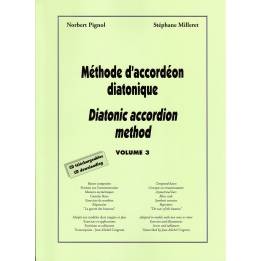
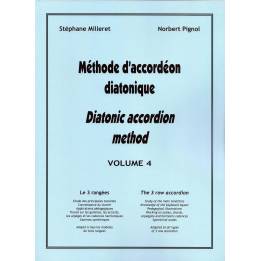
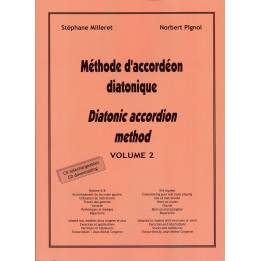
Diatonic Accordion Method vol 2
The method of Stéphane Milleret and Norbert Pignol is a reference in diatonic accordion.
This volume covers the following points:
- Rhythm 9/8
- Enrichment of the left hand game
- Using the metronome
- Scales work
- Agreements
- Rhythm and arpeggios
- Directory
French language
€39.00